
The AKPIRG Advocate, February 2026
Celebrating Black History Month
with Tamika Harris 🖤
In honor of Black History Month, AKPIRG is reflecting on the lives and legacies of Black Alaskans whose work and leadership have uplifted the economic vitality of every community in our state.
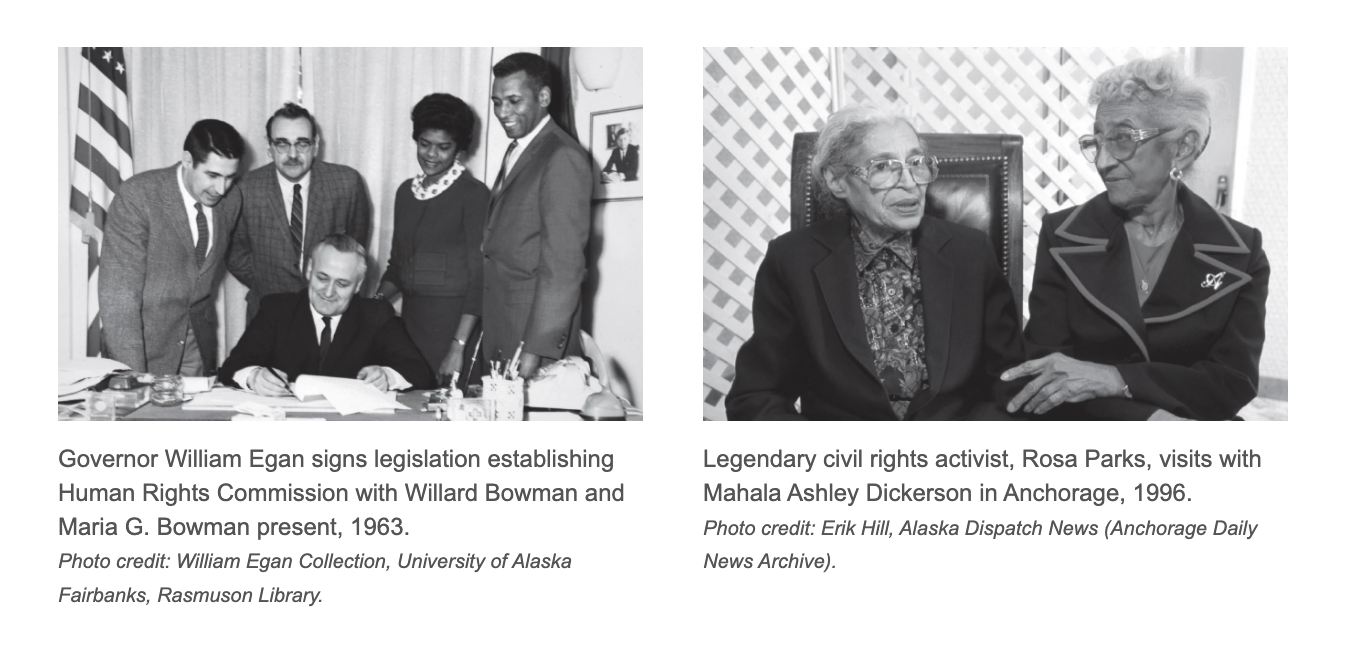
Black families have been calling Alaska home for generations. Many people moved to Alaska seeking economic prosperity, or reprieve from the overt racial oppression dominating the South. Long before the Great Migration of the 20th century, Black Americans were already a part of Alaska’s history. In the 1800s, many came to work on whaling boats, escaping the horrid institution of slavery, and in rare cases, earning ranks and wages that were largely closed to them elsewhere. After World War II, Black Americans were vital to the construction of Alaska’s military bases and went on to help build and sustain much of the state’s infrastructure, from the railroad to commercial fishing. Black Alaskans were also key actors in the state’s legal and civic history, including leaders like Mahala Ashley Dickerson, Alaska’s first Black lawyer and homesteader, and Willard Bowman, the Director of the Alaska Commission on Human Rights under Governor William E. Egan’s administration.
Alongside this story of contribution is a story of exclusion – one that we all must still confront to this day. Throughout the 20th century, communities across the United States were shaped by redlining, racist policy practices that denied mortgages, loans, insurance, and investment to communities of color. Across the country, these policies target racial minorities with the impact in Alaska heavily felt by Alaska Native and Black communities. In the 1950s, ‘60s, and ‘70s, most of Anchorage’s growing Black population was restricted to neighborhoods like Fairview and the Eastchester Flats due to racial covenants written into property deeds preventing the sale of properties to Black and Alaska Native people. In the face of these discriminatory lending and housing policies, many Black Alaskans homesteaded, building stability and prosperity where the system tried to deny it.
The consequences of these policies did not disappear when redlining was outlawed. Today, their legacy shows up in the racial wealth gap, environmental racism, lower rates of home ownership for Black and Indigenous communities, and undervaluation of properties owned by people of color.
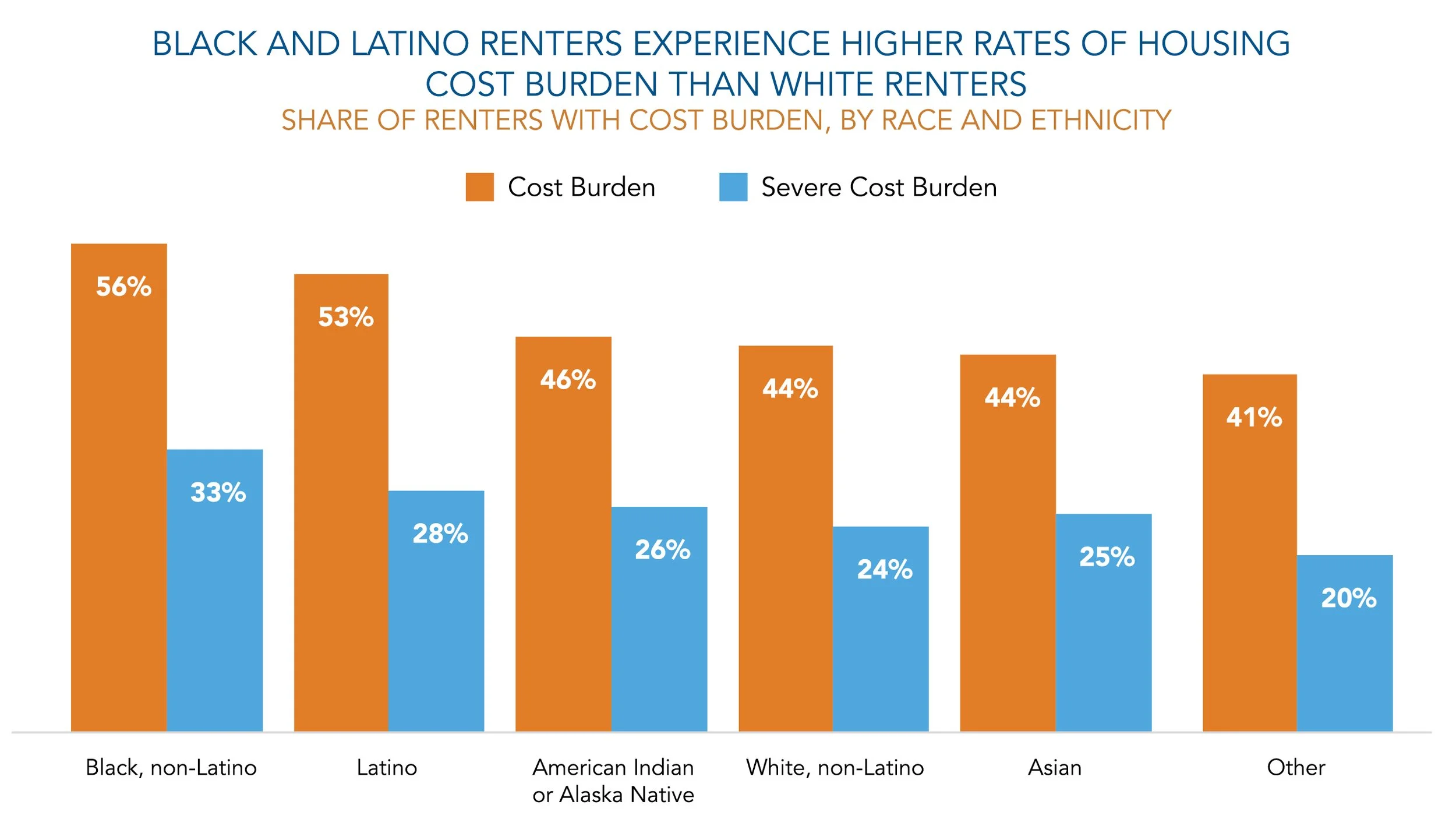
Housing is an economic engine that fuels community vitality. That’s why AKPIRG’s housing work focuses on advancing fair, accessible, and accountable housing policy that expands opportunity rather than reproducing harm. Investing in Black and Alaska Native communities is an investment that benefits all of Alaska.
We honor this history not only through our work, but also by taking time this month to celebrate Black Alaskans. If you’d like to join us, consider checking out the readings below to learn more about Black Alaskan history and to celebrate the many contributions Black Alaskans have made to our state:
Black History in the Last Frontier by historian Ian C. Hartman (2020).
A Racial Equity Lens is Critical to Housing Justice Work by Gabby Ross of the National Low Income Housing Coalition (2025).
Black History in the Last Frontier: Mahala Ashley Dickerson by the National Park Service (2025).
Black History in the Last Frontier: Willard Bowman by the National Park Service (2025).
Alaska: Bonanza for Blacks? Oil Windfall Heralds New Rush for Wealth from Ebony’s November 1969 issue (pg 123)
Plundered: How Racist Policies Undermine Black Homeownership in America by Bernadette Atuahene
What we’ve highlighted here is only a glimpse of the profound impact Black Alaskans have had on our state. There are countless more stories of leadership, resilience, and excellence that deserve recognition, and we hope this serves as an invitation to keep learning and celebrating.
Written by:
Tamika Harris
Economic Justice Policy Specialist, AKPIRG
American Community Survey Toolkit Highlight: Denaa Kkenaage’ 🌟
Our series highlighting the Alaska Native Languages ACS Toolkit continues! This month, we’re excited to share a video created by the AKPIRG Denaa Kkenaage’ Language Panel, featuring Velma Schafer 🌟
If you receive the ACS from the U.S. Census Bureau, it’s your chance to represent your community’s needs to the federal government and help unlock funding opportunities. Just like weaving fish nets to fill your freezer, completing the ACS helps your community thrive long into the future 🐟
Enaa baasee' to the entire Denaa Kkenaage’ Language Panel for creating this video, and a special thank you to Velma!
Check out the full toolkit with downloadable and printable resources in nine Alaska Native languages at akpirg.org/acs.
—
This message is brought to you by the AKPIRG Denaa Kkenaage’ Language Panel, with Velma Schafer, Hʉkk'aaghneestaatlno Lorraine David, and Brittany Woods-Orrison.
Federal Funding Update from our Energy Team ⚡
This time last year, federally funded energy and infrastructure programs were facing serious threats and uncertainty. After months of advocacy and coordination to protect critical resources, we finally have some hard-won good news: the Low Income Home Energy Assistance Program (LIHEAP) and the Weatherization Assistance Program (WAP) have been fully funded for FY26.
LIHEAP received an increase of $20 million while WAP saw a modest $4 million over FY25 appropriations. These investments help families across Alaska stay safe and warm through the winter and reduce the high cost of keeping the lights on, especially in rural communities.
Last week, AKPIRG held its second LIHEAP stakeholder meeting, bringing together Tribal organizations, program administrators, weatherization providers and other partners who care deeply about these programs. We continue to learn how essential they are to our communities: 6% of average household energy burden is reduced for recipients of LIHEAP, and WAP lowers long-term energy costs by improving home efficiency.
Last year, AKPIRG produced a report on Alaska’s energy burden with our partners, finding that many Alaska households pay a disproportionate share of their income on energy compared to other states. Alaska’s high energy burden makes programs like LIHEAP and WAP not just helpful, but necessary.
As we celebrate another year of secured funding for these essential programs, we remain committed to working alongside our partners to strengthen these programs and the communities who rely on them.
Sincerely,
June Okada
Infrastructure Funding Analyst, AKPIRG
The Mutual Aid Network of
Anchorage Annual Report
The Mutual Aid Network of Anchorage (MANA) has released its 2025 Annual Report – a clear look at what community-powered support made possible this year.
In 2025, MANA responded to 181 requests for help across Anchorage, directing nearly $68,000 toward urgent needs like rent, utilities, groceries, transportation, and medical costs – all with no paid staff and minimal overhead. Hundreds of small-dollar donations (median: $35.50) powered the work.
Beyond direct aid, the network also hosted community events and its first Free Store, strengthening the relationships that make rapid-response support possible in the first place. As MANA’s fiscal sponsor, AKPIRG is proud to support this model of grassroots redistribution and collective care.
Read the full report to see the impact and what’s ahead, and visit MANA’s website to get involved with this amazing organization!
Have you applied for your PFD? 🤔

Have you applied for the 2026 PFD yet? Alaskans have until Sunday, March 31, 2026, at 11:59 PM AKST, to submit their applications!
While applying, consider choosing to donate a portion of your PFD to AKPIRG through Pick.Click.Give! Pick.Click.Give makes it easy to support AKPIRG and other Alaska organizations that you love.
By choosing to support AKPIRG through Pick.Click.Give, you are choosing to support more accountability and transparency in our government; more robust language access and Alaska Native language revitalization; more just and people-centered economic policies at the local, state, and federal levels; and more affordable, renewable energy in Alaska.
Thank you for your support!
AKPIRG’s First Art Lunch 🎨
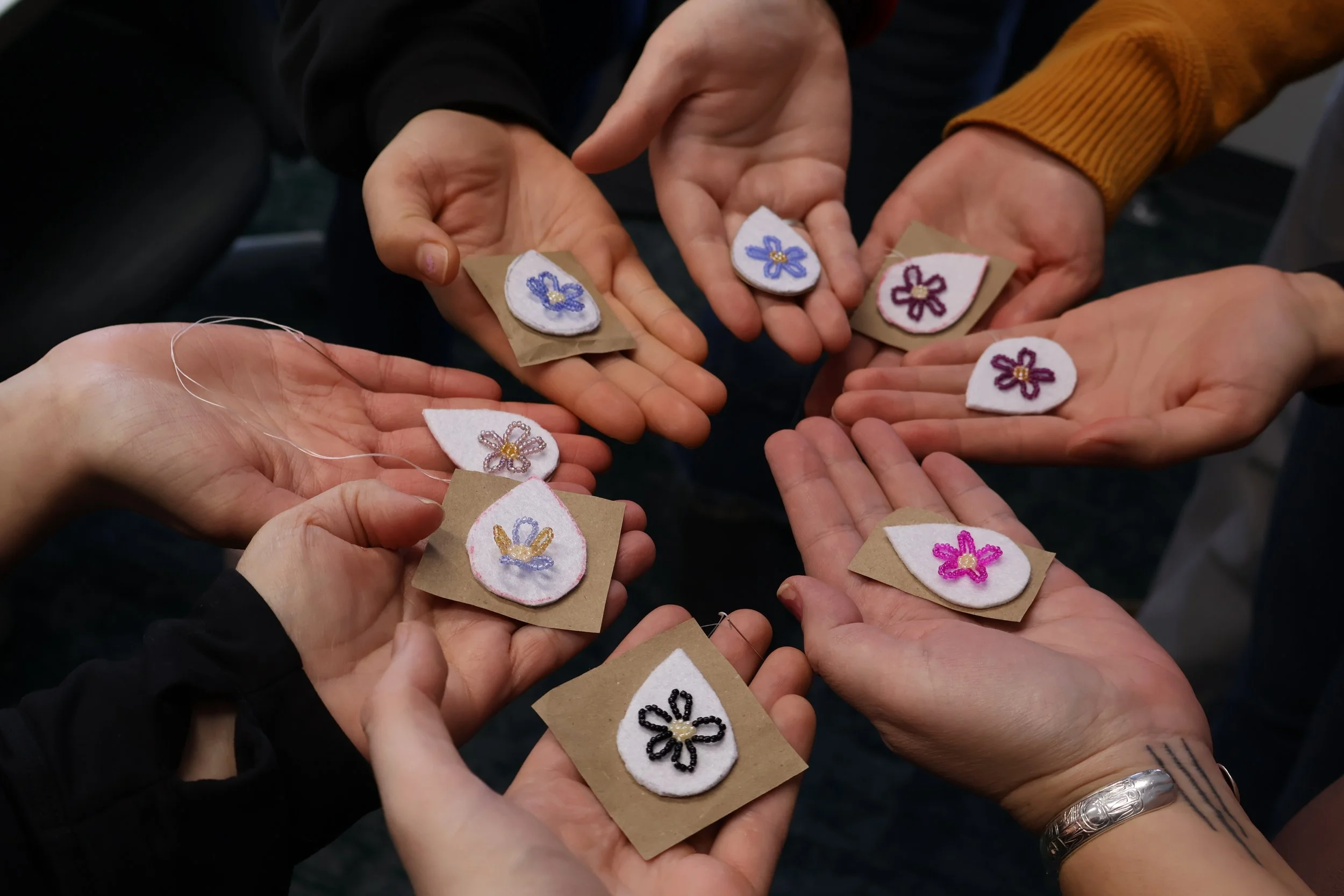
Last week, AKPIRG hosted our very first Art Lunch, a new staff-led workshop to give us space to connect, create, and share time together outside of our day-to-day work. Each month, a different staff member will lead a hands-on workshop, offering a chance to learn something new from one another and provide a creative outlet for us to connect over.
For our inaugural session, our Language Access Director, Rochelle Adams, guided the team through a beading project. Rochelle generously prepared individual kits for everyone and walked us step-by-step through creating a beaded flower. Along the way, she shared tips, techniques, and stories that have been passed down to her, reminding us that art is not only about making something beautiful, it’s also about carrying knowledge, culture, and connection forward.
We’re excited to continue the Art Lunch series in the months ahead and to keep building community through creativity.
