Happy Pride Month, Alaska! 🌈

Alaska is strongest when everyone is safe, valued, and able to fully participate in their communities. This month, we celebrate the resilience, joy, and contributions of LGBTQ+ people across Alaska, and recommit to building a state where everyone can thrive.
AKPIRG Recap: Legislative Session 🏛
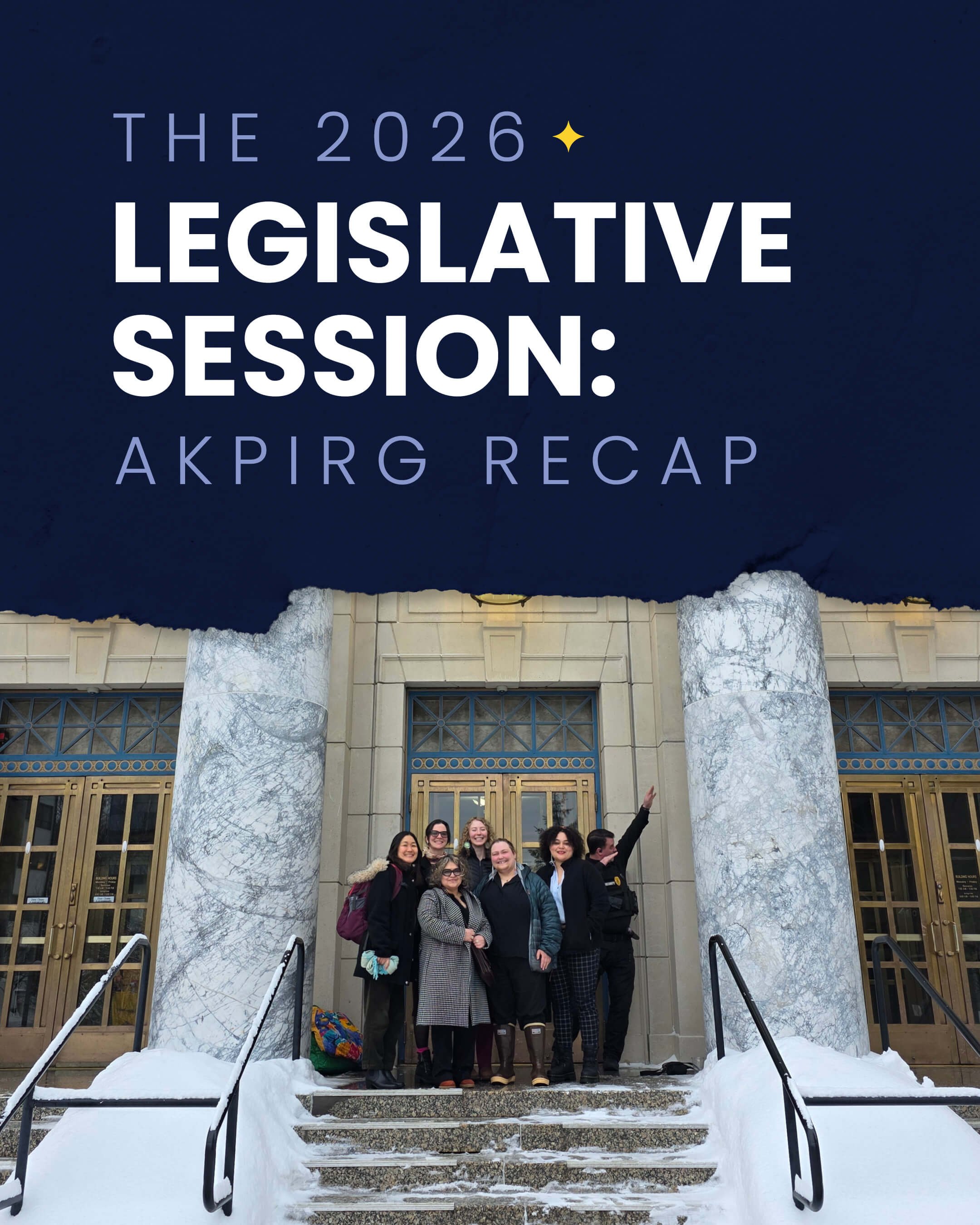
Lawmakers are still convened for a special session, but the regular legislative session is now over. It ended with some big wins, and some unfinished work that will carry into future sessions.
Here’s what passed, what didn’t, and how lawmakers ended up back in special session ⬇️
Wins Worth Celebrating:
Crypto ATM fraud protections passed unanimously (SB 249)
Campaign finance reform passed (HB 16)
Money transmission reform passed (SB 86)
$11 million added for Alaska’s Heating Assistance Program — the program’s first funding since 2015
Bulk Fuel Loan Program cap raised from $750,000 to $1,500,000 (HB 388)
Work That Continues:
The bipartisan elections bill (SB 64) was vetoed by the governor after passing the Legislature, and an override attempt failed
Medical debt credit reporting reform (HB 178) stalled in committee
Data center community benefit and ratepayer protections (SB 250) passed the Senate but not the House
An effort to close the S-Corp tax loophole was approved by the Senate but ultimately rejected by the House (HB 194)
Political Stalemate → Special Session
The Legislature passed a hard-won bill to improve Alaska's public employee pension system (HB 78), but Governor Dunleavy said he would only sign it if lawmakers also approved sweeping tax breaks tied to the proposed AKLNG project (SB 280/HB 381).
When negotiations stalled, the governor vetoed the pension bill and called a special session focused on AKLNG taxes and regulations. Lawmakers ultimately failed to override the veto, and House and Senate Finance Committees have now reconvened in Anchorage and Juneau to continue negotiations over the project.
The decisions made in the coming weeks could have significant impacts on state revenue, local governments, and the amount of financial risk assumed by the public. Despite the stakes, legislators are being asked to make major decisions with limited time and limited public information about the project itself.
AKPIRG is closely tracking the debate and will continue advocating for transparency and accountability as negotiations move forward.
Thank You!
We're proud of the progress made this session and grateful to everyone who testified, contacted lawmakers, and stayed engaged. We'll continue keeping you updated as the special session unfolds. To support our legislative engagement, consider making a donation to AKPIRG.
What Do You Want to Ask Alaska’s Candidates? 🤔
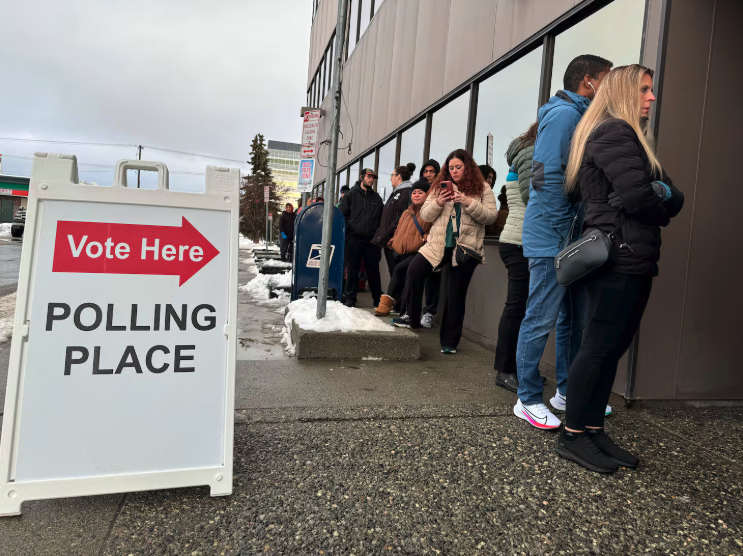
Photo credit AP Photo/Mark Thiessen
Election season is upon us, and with so many candidates running for so many offices, it’s hard to cut through the noise and find out what you need to know to be an informed voter. The good news is that you can directly ask candidates what they’re about thanks to a coalition of Alaska news organizations.
Alaska Public Media, Anchorage Daily News, KTOO, and the Alaska Beacon are collecting questions from Alaskans ahead of the August primary election. They'll use community input to help shape candidate questionnaires for races including governor, U.S. Senate, U.S. House, and the Alaska Legislature.
So: what's the issue you wish candidates would spend more time talking about?
Whether you're thinking about housing access, energy affordability, government accountability, language access, consumer protections, or something else entirely, this is your chance to help shape the conversation before ballots hit mailboxes later this summer.
At AKPIRG, we believe the people closest to a problem are closest to the solution. If there's an issue you care about, don't wait for someone else to bring it up – send it in.
Submit your questions using the forms in either of these links:
Housing Advocates Rally Behind MMHOP 🏘
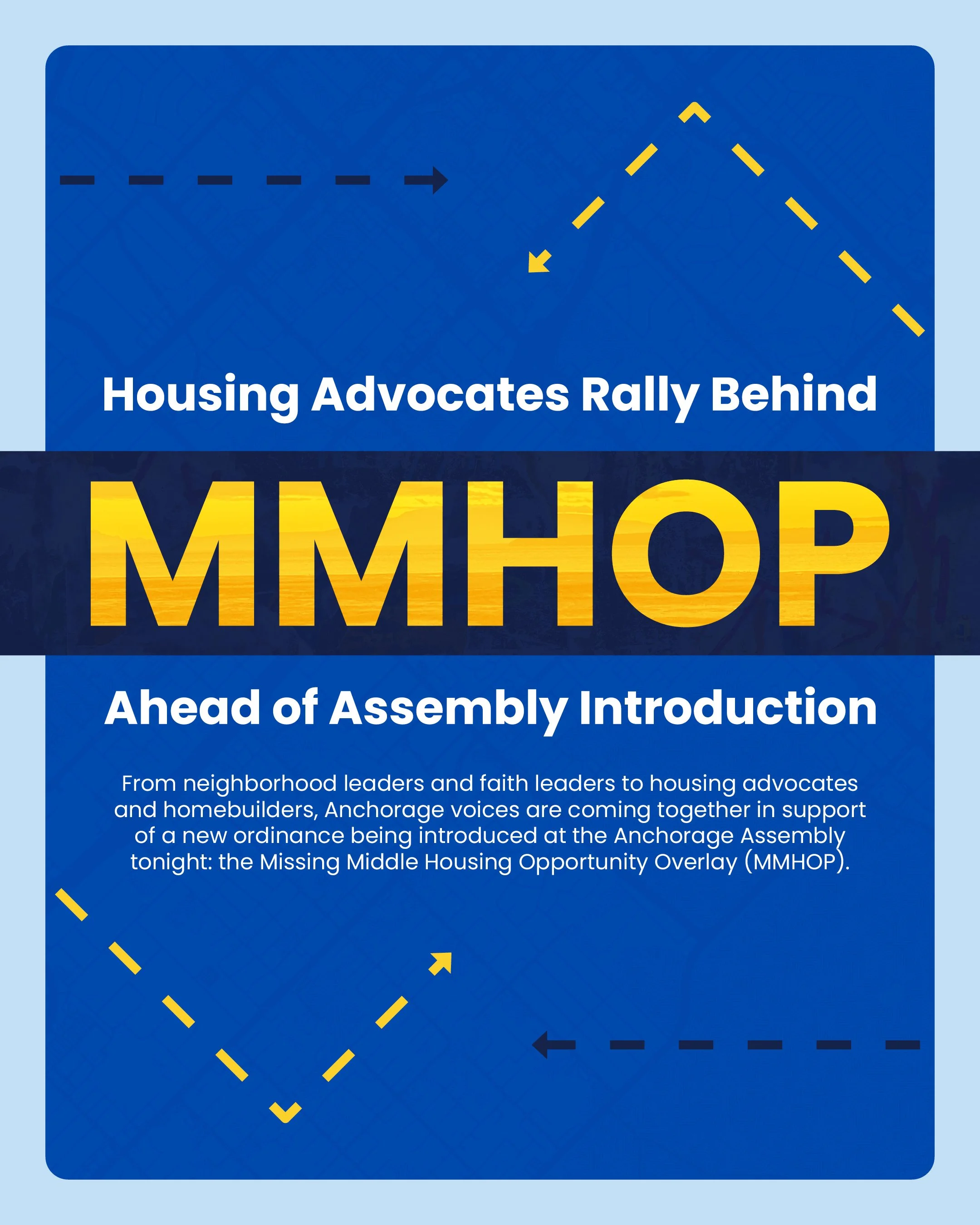
Housing advocates and community members across the city agree: Anchorage needs better access to housing. 🏘️
Last week, the Anchorage Assembly introduced the Missing Middle Housing Opportunity Overlay (MMHOP), a proposal that would make it easier to build more housing along transit corridors and help address the city's growing housing shortage.
By increasing the supply of middle-income housing, MMHOP aims to make homeownership more attainable and help bring down housing costs for Anchorage residents.
Anchorage Housing Club and AKPIRG strongly support this ordinance. Stay tuned for more ways to get involved as part of Housing Action Summer. ☀️😎
Grand Finale! American Community Survey (ACS)
Alaska Native Language Toolkit: Neets’aii Gwich’in 💚
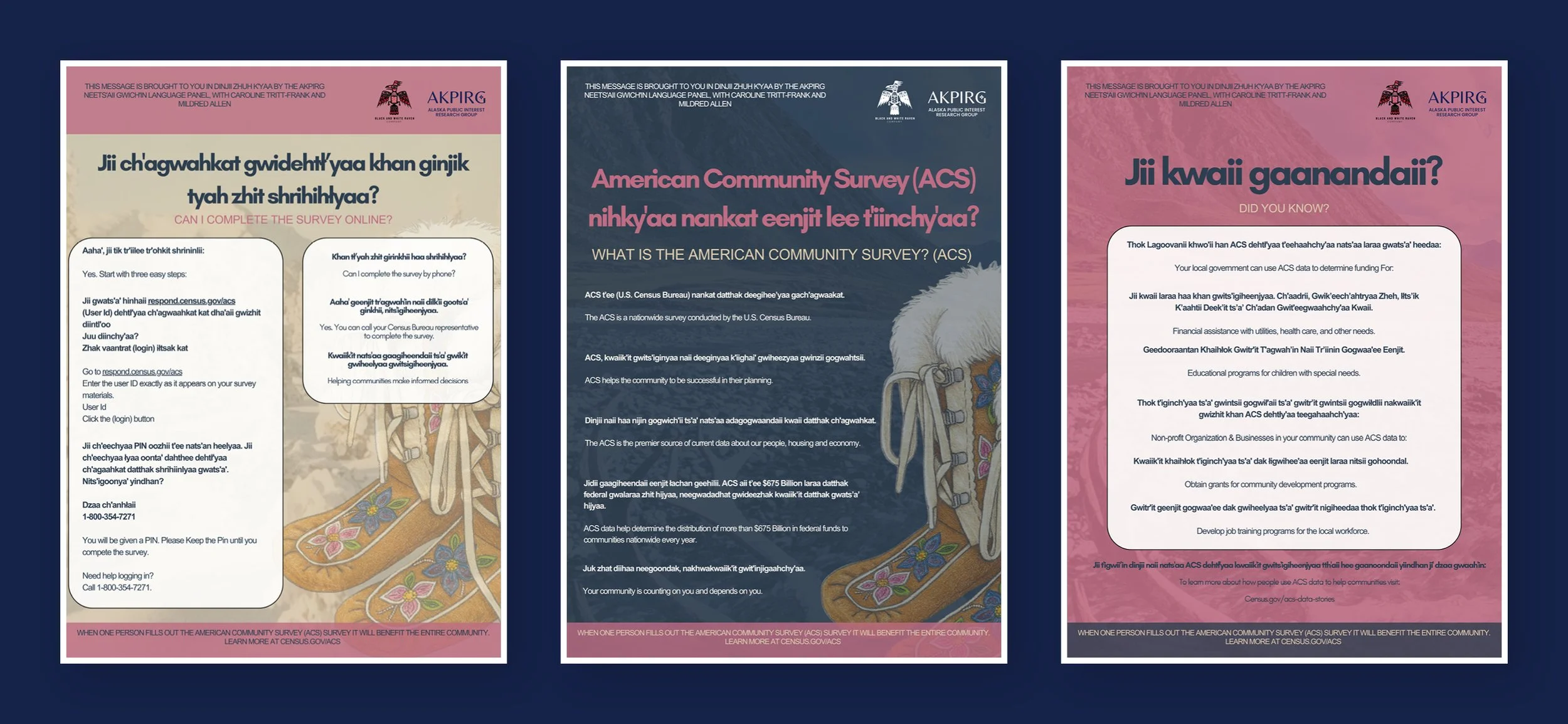
This week, we shared the final installment of our Alaska Native Languages American Community Survey (ACS) Toolkit: a beautiful three-poster series created by the Neets’aii Gwich’in Language Panel.
The posters feature traditional dancing slippers. Just as dancers follow the footsteps of those who came before them while creating new paths of their own, language moves from generation to generation – carried forward by speakers, learners, and communities. For Gwich’in speakers and learners, marking your language on the ACS helps make Gwich’in visible to government agencies, supporting expanded access to language resources, translated materials, and other investments that help strengthen language revitalization efforts.
It was especially meaningful to share this final toolkit installment last week while all of our Alaska Native language panelists were gathered together in Gwichyaa Zhee for a healing gathering. As we celebrated the conclusion of this project, we also celebrated the relationships, knowledge, and care that made it possible.
—
This project was years in the making and was led by AKPIRG Language Access Director Rochelle Adams, with support from Erin Willahan, Jaylein Kriska, and Brittany Woods-Orrison. Together, they worked alongside language panelists from across Alaska to create culturally grounded resources that help communities understand the importance of reporting Alaska Native languages on the ACS.
We're also deeply grateful to Chloey Cavanaugh of Black & White Raven Co., whose thoughtful design work brought each panel's vision to life. Working closely with panelists, Chloey transformed their ideas, experiences, and cultural knowledge into beautiful, accessible, and printable resources that can be shared by communities across Alaska.
Most importantly, we hope you’ll join us in thanking our language panelists, who generously shared their time, expertise, creativity, and vision for the future of Alaska Native languages. This toolkit reflects the priorities, strengths, and knowledge of communities across Alaska, and would not exist without their leadership.
Mahsì’ choo to the Neets’aii Gwich’in Language Panel for sharing their language and vision with all of us, and thank you to everyone who helped make this project possible.
Mahsì’ choo! Tsin’aen! Chin’an! Quyanaqpak! Enaa baasee’! Gunalchéesh! Qaĝaasakung! Quyana! Háw’aa!
Economic Justice Team on the Road
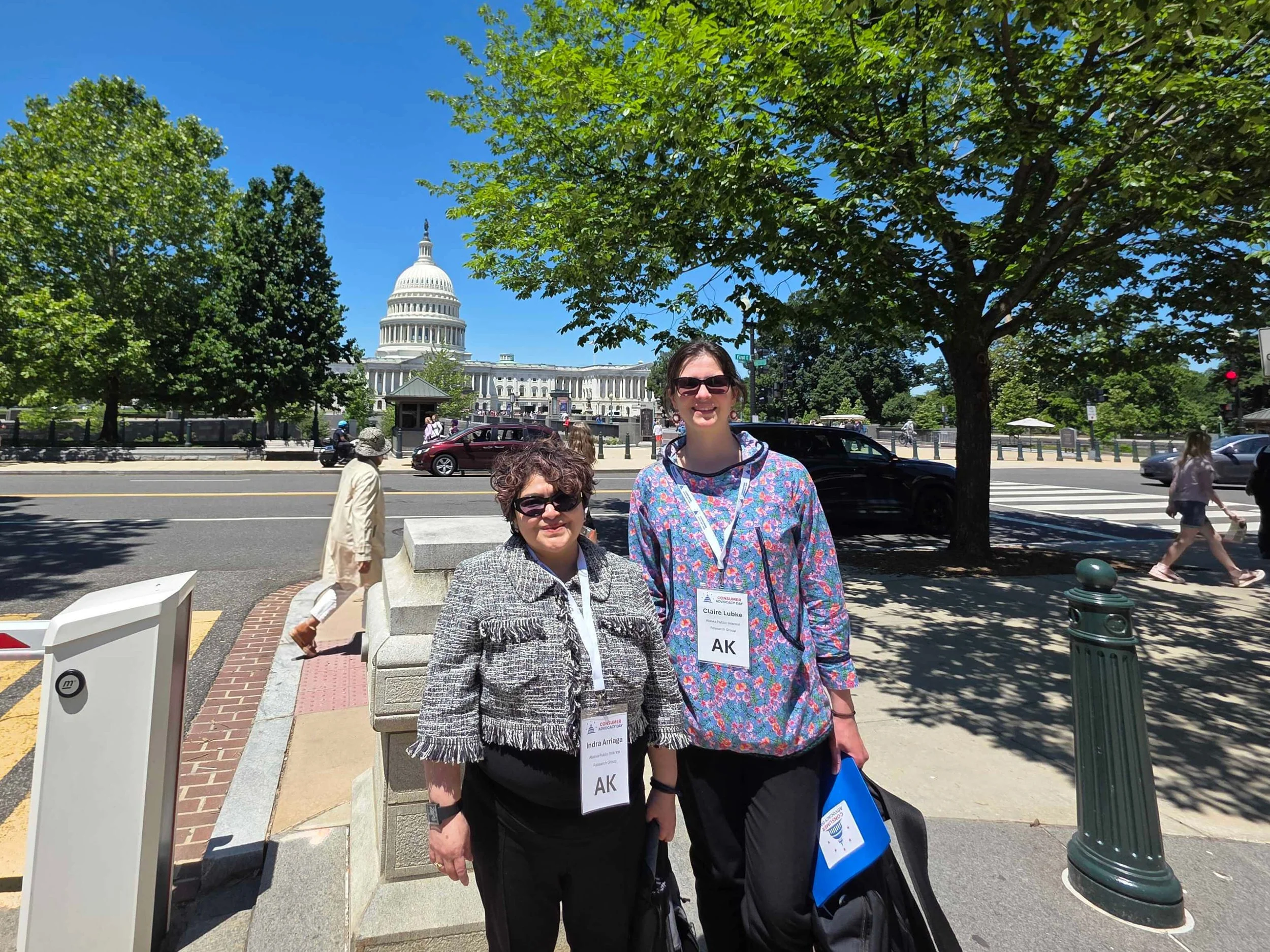
Claire Estelle Lubke, AKPIRG's Economic Justice Director, and Indra Arriaga, AKPIRG's Executive Director, visited DC the first week of June to participate in Consumer Advocacy Week. They met with staff from Representative Begich, Senator Sullivan, and Senator Murkowski's offices to discuss:
regulating financial tech companies and curtailing predatory lending apps
making sure Alaskans still have access to recourse through the Consumer Financial Protection Bureau
passing a 36% annual percentage rate (APR) cap for all loans offered in the United States
They also learned from advocates in other states and national experts about the serious threats posed to consumers by emerging trends, such as surveillance pricing and deregulated prediction markets, like Kalshi and Polymarket.
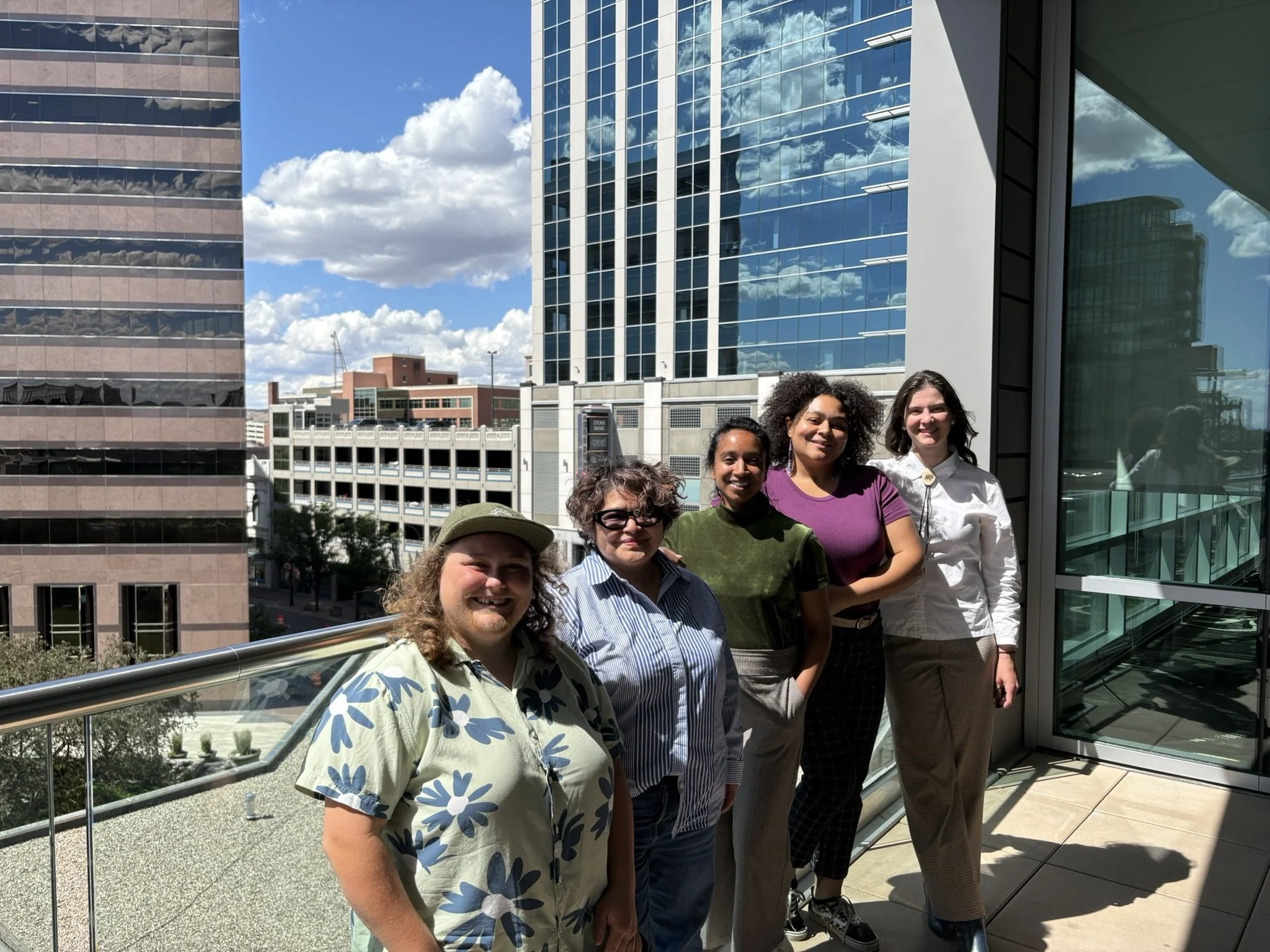
After DC, the entire Economic Justice team met up in Boise, ID to connect with other pro-housing advocates from the Welcoming Neighbors Network. We were hosted by the Gem State Housing Alliance and discussed a variety of city- and state-level strategies for making it easier and faster to build homes of various shapes, sizes, and income-accessibility. The EJ team also left feeling inspired about centering tenant experiences and tenant voices in the fight for housing abundance in Alaska!